✦ The Complete Rockstar Universe ✦
Max Payne 2
📅 Last updated:
Your guide to every Grand Theft Auto and Red Dead game, with tips, cheat codes, rankings and the best deals. Pick a game, dive in.
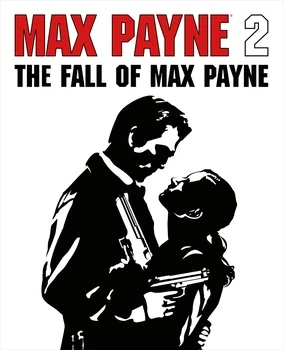
Max Payne 2: The Fall of Max Payne is the 2003 sequel to Max Payne, developed by Remedy Entertainment and published by Rockstar Games. Max is back with the New York police and back in the middle of a conspiracy, this time entangled with Mona Sax, the assassin from the first game.
It is tighter and considerably shorter, and it commits harder to the noir. The graphic novel panels return, the bullet time is refined, and a physics engine now governs how bodies and objects react, which changes how a firefight looks and feels even though the shooting itself is familiar.
An assassin introduced in the first game, and the second playable character here. The story alternates between Max and Mona, and the relationship between them is what the sequel is actually about, more than the conspiracy plot that carries it.
It runs roughly half the length of the first game, and that was the main criticism at release despite otherwise strong reviews. It also sold below expectations, which is part of why nine years passed before Max Payne 3.
Yes, more than with most sequels. Max Payne 2 opens assuming you know what happened to Max's family, who Mona is and how the first story ended, and it does not stop to explain any of it. Both games are cheap on PC: where to buy Max Payne 2 compares the keys with the Steam price.
Rockstar Games, with Remedy Entertainment developing. Rockstar had already published the console versions of the first game.
Yes. The game alternates between Max and Mona across its chapters.
About half the length of the first game, which was the most common criticism when it was released in 2003.