✦ The Complete Rockstar Universe ✦
Grand Theft Auto 2
📅 Last updated:
Your guide to every Grand Theft Auto and Red Dead game, with tips, cheat codes, rankings and the best deals. Pick a game, dive in.
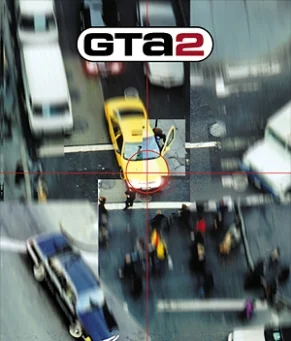
Grand Theft Auto 2 is the 1999 sequel, still top-down, set in a single retro-futuristic sprawl called Anywhere City. Its defining idea is respect: seven gangs each track how they feel about you, and taking a job for one crew pushes the others toward hostility. It is the last GTA before the series moved to 3D.
Each gang holds a separate opinion of you, shown as a meter. Raise one and you unlock better paid work in that gang's territory, but you also make yourself a target everywhere else. It forces a choice the earlier game never asked for, and it is the clearest ancestor of the faction and reputation systems that later open worlds built entire games around.
Instead of three cities, GTA 2 gives you one, divided into three districts that unlock in sequence: Downtown, Residential and Industrial. The setting is deliberately hard to place in time, a mix of seventies grime and science fiction that the marketing called retro-future. It is the strangest looking world the series has produced.
GTA 2 closed the top-down chapter. Two years later GTA III moved the camera behind the character and changed what people expected from the genre. Everything in GTA 2 that survived, gang territory, escalating police response, a city that opens up in stages, resurfaced in 3D shortly after.
In Anywhere City, a deliberately unplaceable retro-futuristic city split into three districts: Downtown, Residential and Industrial.
Seven, spread across the three districts. Each one tracks its own respect level for you, and pleasing one gang usually means angering another.
For the main series, yes. GTA III moved to 3D in 2001. The top-down view later returned on handhelds with GTA Advance and Chinatown Wars.