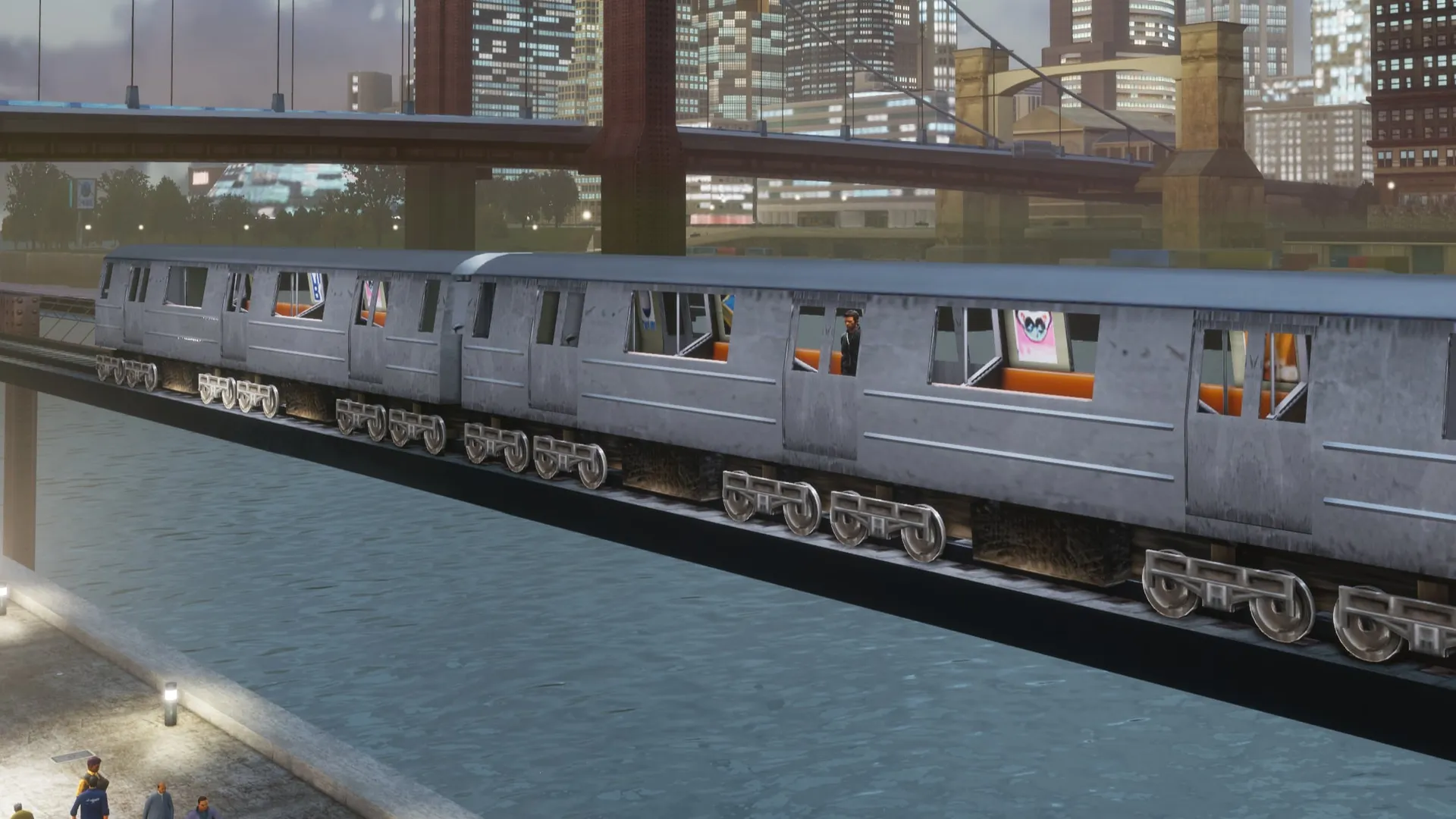
GTA III Development Fun Facts & Trivia
GTA III should have come out on 3 October 2001. The attacks of 11 September, a few streets from Rockstar's New York office, pushed it back three weeks and changed more about the game than its release date. Here is what really changed, the myths that never were, and the stories behind the game that turned Grand Theft Auto into a 3D open world.
Delayed by September 11
Rockstar was based in New York, close to the World Trade Center, and GTA III, set in a city modelled on New York, was weeks from release. It slipped from 3 October to 22 October 2001 in North America.
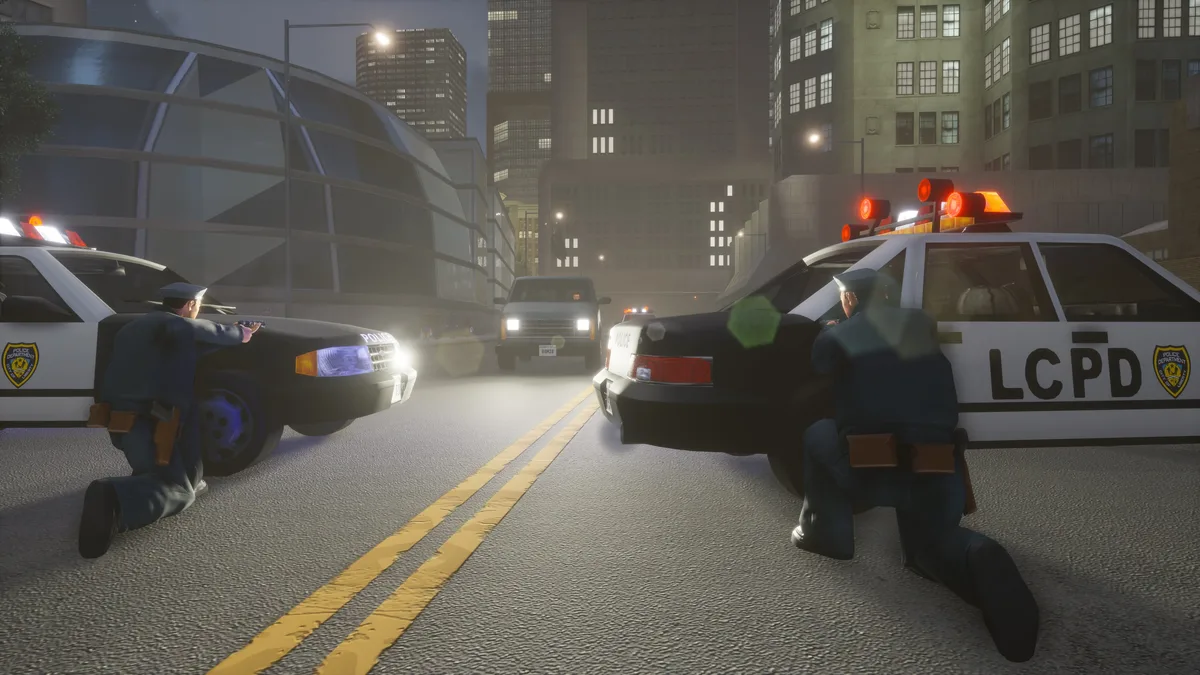
Rockstar has described the changes as smaller than the rumours suggest: one mission was cut because it dealt with terrorists, and a handful of details went with it, a few cars, some pedestrian lines and radio chatter. The police cars changed colour, from the blue and white of the NYPD to black and white.
The biggest change, by Rockstar's own account, was the American box art, judged too raw after the attacks. Its replacement, a grid of illustrated panels, became the cover style of every Grand Theft Auto since.
Myths That Were Never True
The Dodo, the plane with clipped wings, is often said to have been crippled after September 11. Rockstar says otherwise: it was never designed to fly properly, which is also where its name comes from.
Darkel, a homeless anarchist who gave out five missions, is another favourite of the rumour mill. He was cut months before release, long before the attacks, because his missions were weaker than the rest and, in Rockstar's words, a little strange in tone.
Why Claude Never Says a Word
GTA III's hero never speaks. Rockstar has explained that it partly wanted players to project themselves onto him, but mostly that the team had enough to solve already: making every other character talk in motion-captured cut scenes was new at that scale.
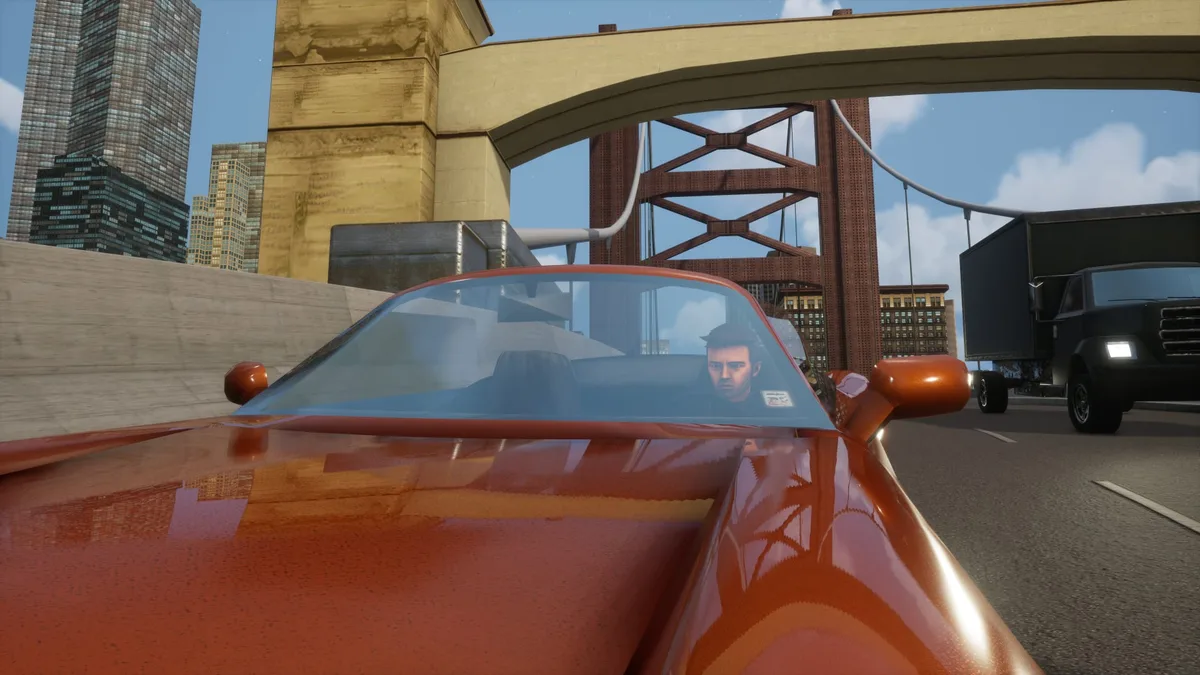
His name is never spoken either. Claude only exists in the game's files, until San Andreas brings him back: he loses a race to CJ, hands over his garage in San Fierro, and leaves with Catalina.
A Hollywood Cast
For a 2001 video game, the voice cast was remarkable. Michael Madsen plays Toni Cipriani, Frank Vincent plays Salvatore Leone, Joe Pantoliano is Luigi Goterelli and Michael Rapaport is Joey Leone. Kyle MacLachlan voices the billionaire Donald Love, Debi Mazar is Maria, Robert Loggia is the paranoid cop Ray Machowski, and Guru, Keith Elam, is 8-Ball.
Liberty City and Its Radio
Liberty City is New York seen through a funhouse mirror: Portland, Staunton Island and Shoreside Vale roughly stand in for Brooklyn, Manhattan and New Jersey, mixed with pieces of other American cities.
Its nine radio stations set the tone of the series. Chatterbox FM is pure talk radio, with Lazlow taking calls from listeners, and Flashback 95.6 plays nothing but Giorgio Moroder's soundtrack for Scarface, a hint of where Rockstar would go next with Vice City.
A Record-Breaking Game
GTA III was the best-selling game of 2001, and Take-Two counted 14.5 million copies sold by March 2008. It was named console game of the year in 2001 and holds a Metacritic score of 97 on PlayStation 2, level with Tony Hawk's Pro Skater 3 as the best-rated game on the console.
It was made in Edinburgh by DMA Design, the studio that became Rockstar North, and reached PC in May 2002 and Xbox at the end of 2003. GTA Advance, released on the Game Boy Advance in 2004, began life as a port of GTA III and became a prequel set a year earlier instead. And somewhere in Liberty City, Rockstar left a note for anyone who climbs where they should not: our GTA III easter eggs page shows where.
GTA III in Numbers
| Planned release | 3 October 2001 |
| Actual release (PS2, North America) | 22 October 2001 |
| PC / Xbox | May 2002 / end of 2003 |
| Developer | DMA Design, now Rockstar North |
| Copies sold | 14.5 million by March 2008 |
| Metacritic (PS2) | 97 |
| Radio stations | 9 |